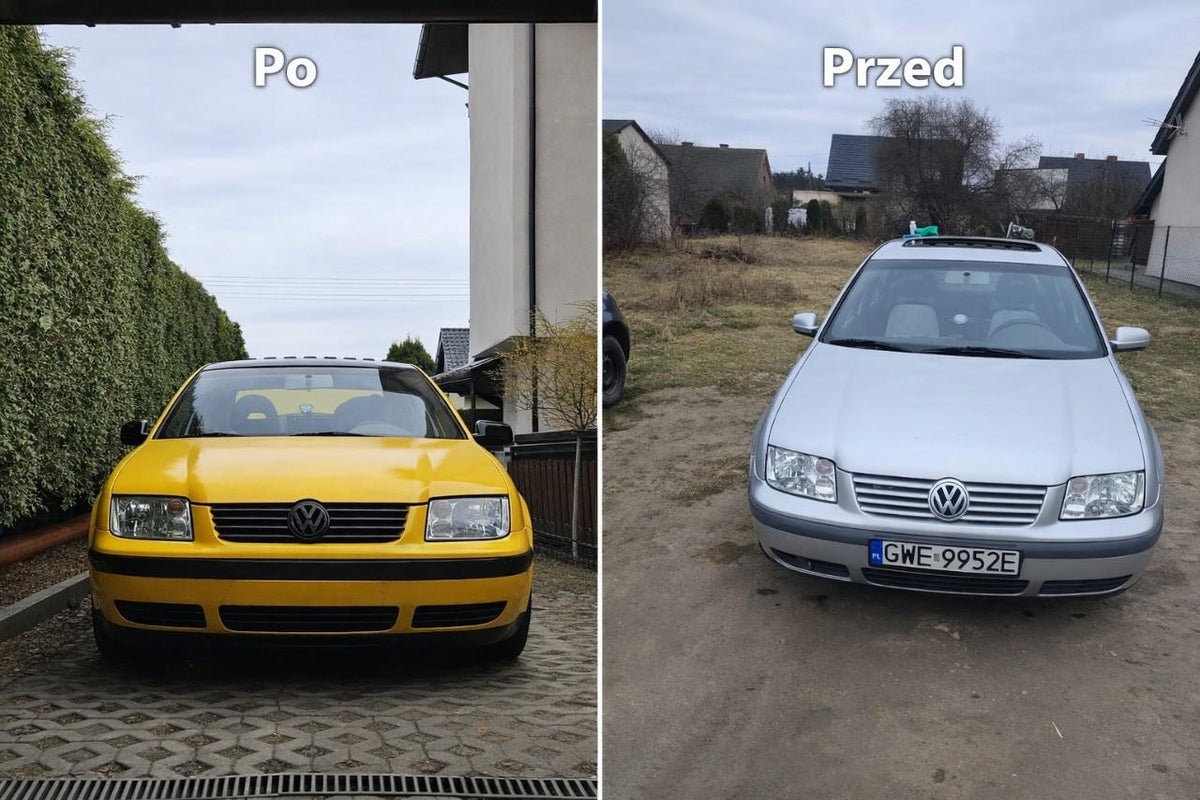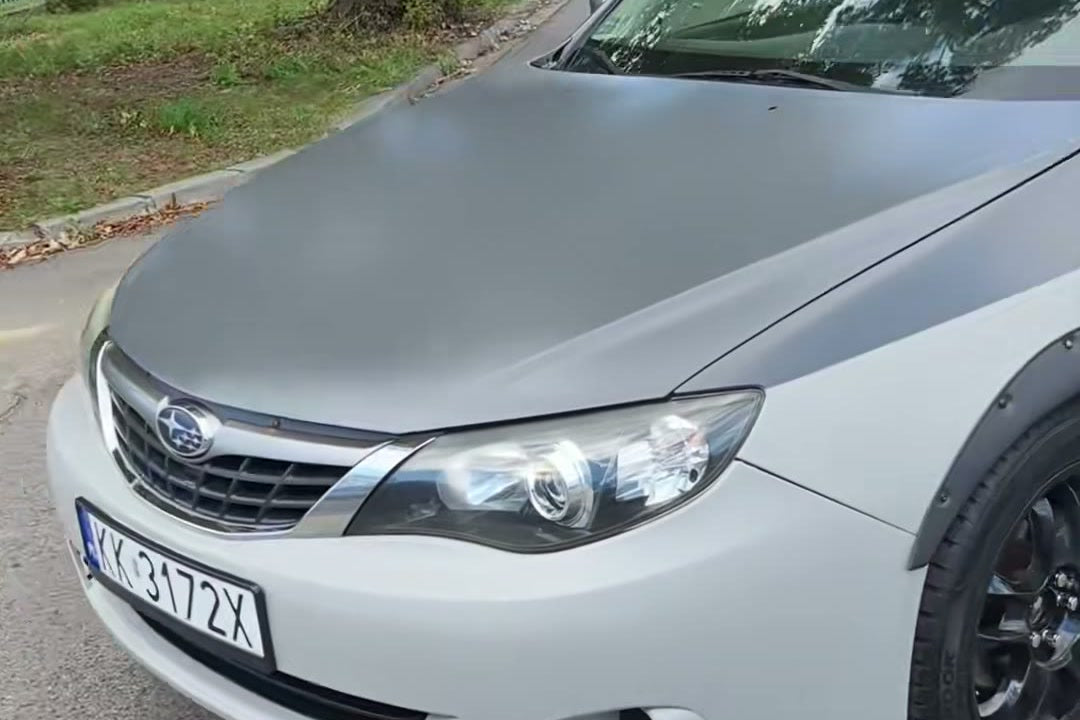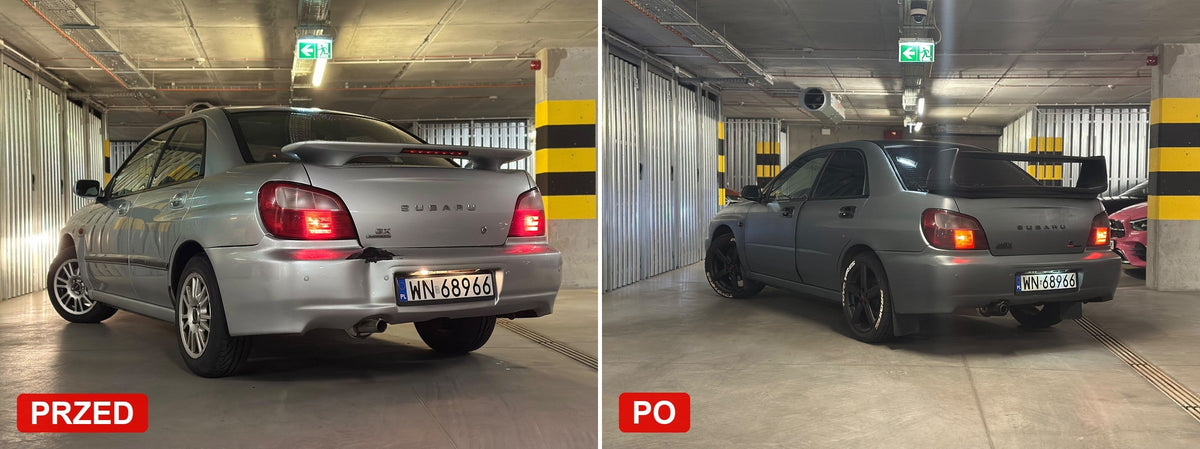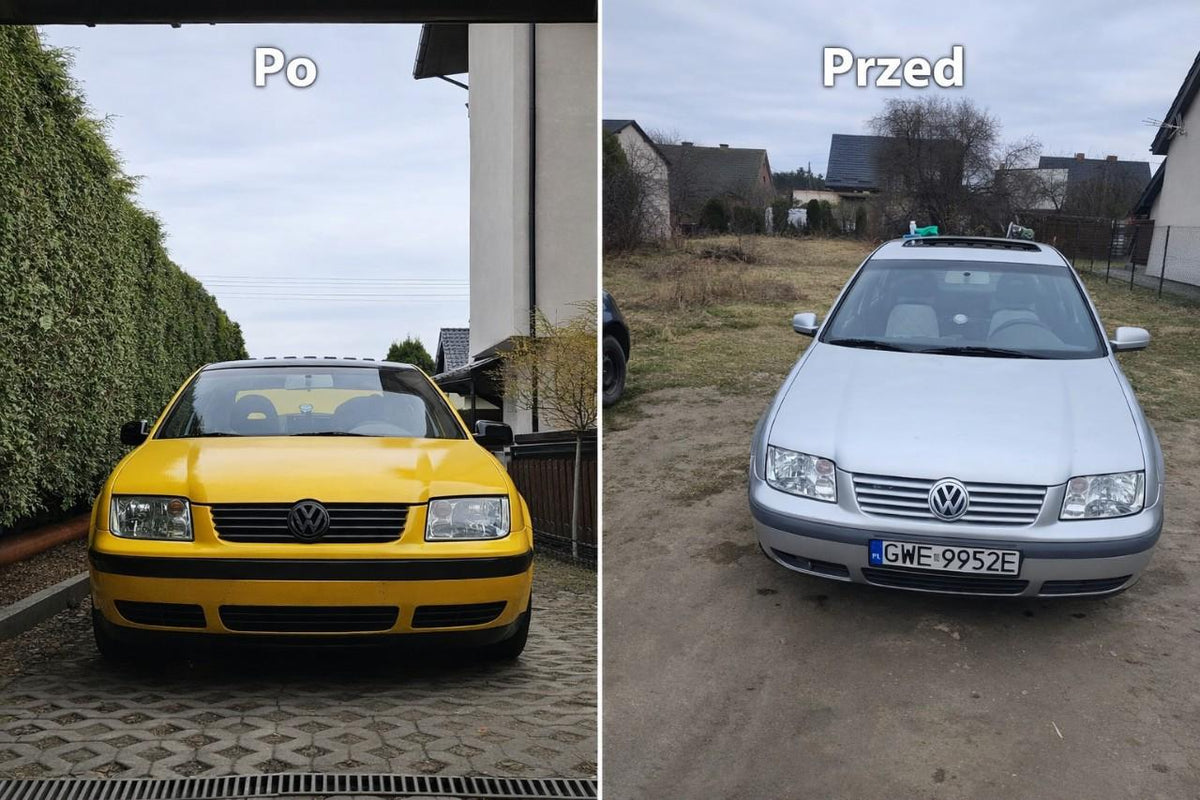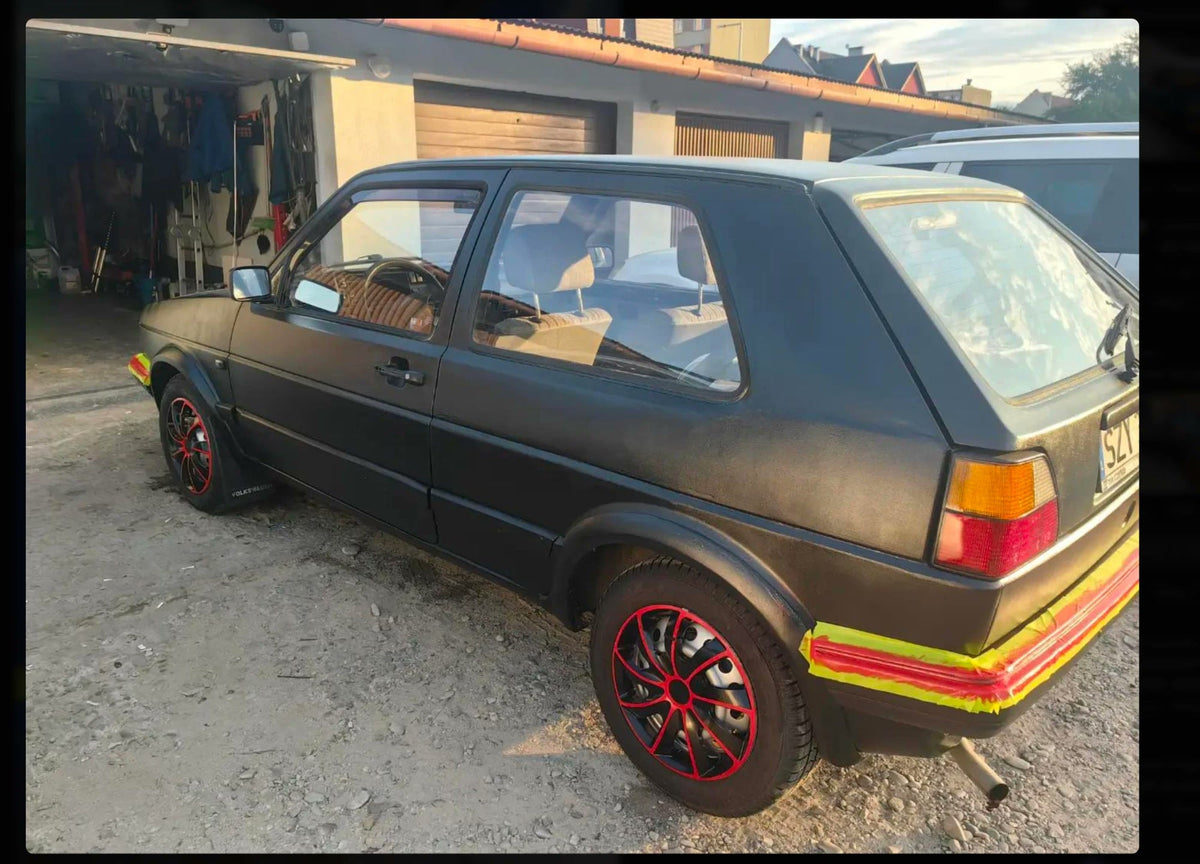
A Golf II in black. A Mercedes ML in graphite. An Audi A6 in a mint shade that looks almost grey in the shade. A Passat in military green. Four cars that reached us as photos from their owners, with one thing in common: none of them reflects the sky. None of them went through a spray booth either, and none of them carries a wrap.

The price question usually arrives in one form: how much does it cost to wrap a car in matte black. The internet gives two answers, wrap or paint, and both of them describe the same moment, the day you collect the car. The real bill closes much later: at the first scratch on the bonnet, and after the first winter with road salt.
Three bills for the same effect
Prices quoted by Polish wrap shops and body shops (folie4u.pl, gigaprint.pl, wolfwrap.pl) vary widely, because everyone counts differently: some quote the material alone, others include labour with door handles and seals removed. All figures below are Polish market prices in zloty. The ranges look like this.
| Method | Whole car | Notes |
|---|---|---|
| Matte wrap | PLN 3,000-10,000 across the full spread of offers, most often PLN 4,000-7,000 | Single panel PLN 500-2,000 |
| Matte paint in a booth | PLN 10,000-20,000, one price list says 15,000-30,000 | The price rises with how well the bodywork is prepared |
| Spray-on rubber coating | PLN 1,500-2,500 of material | Complaints: orange peel, UV fading, peeling |
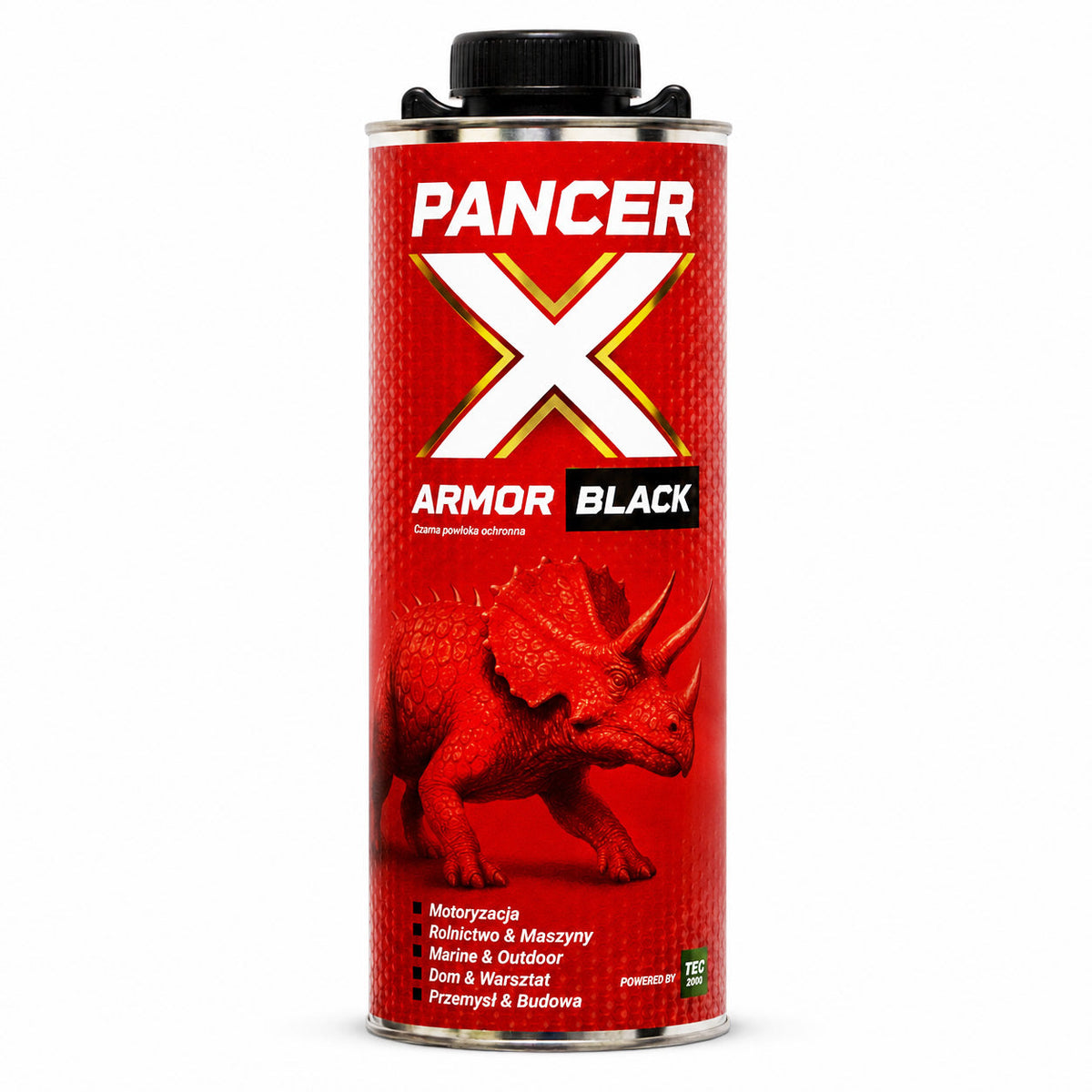
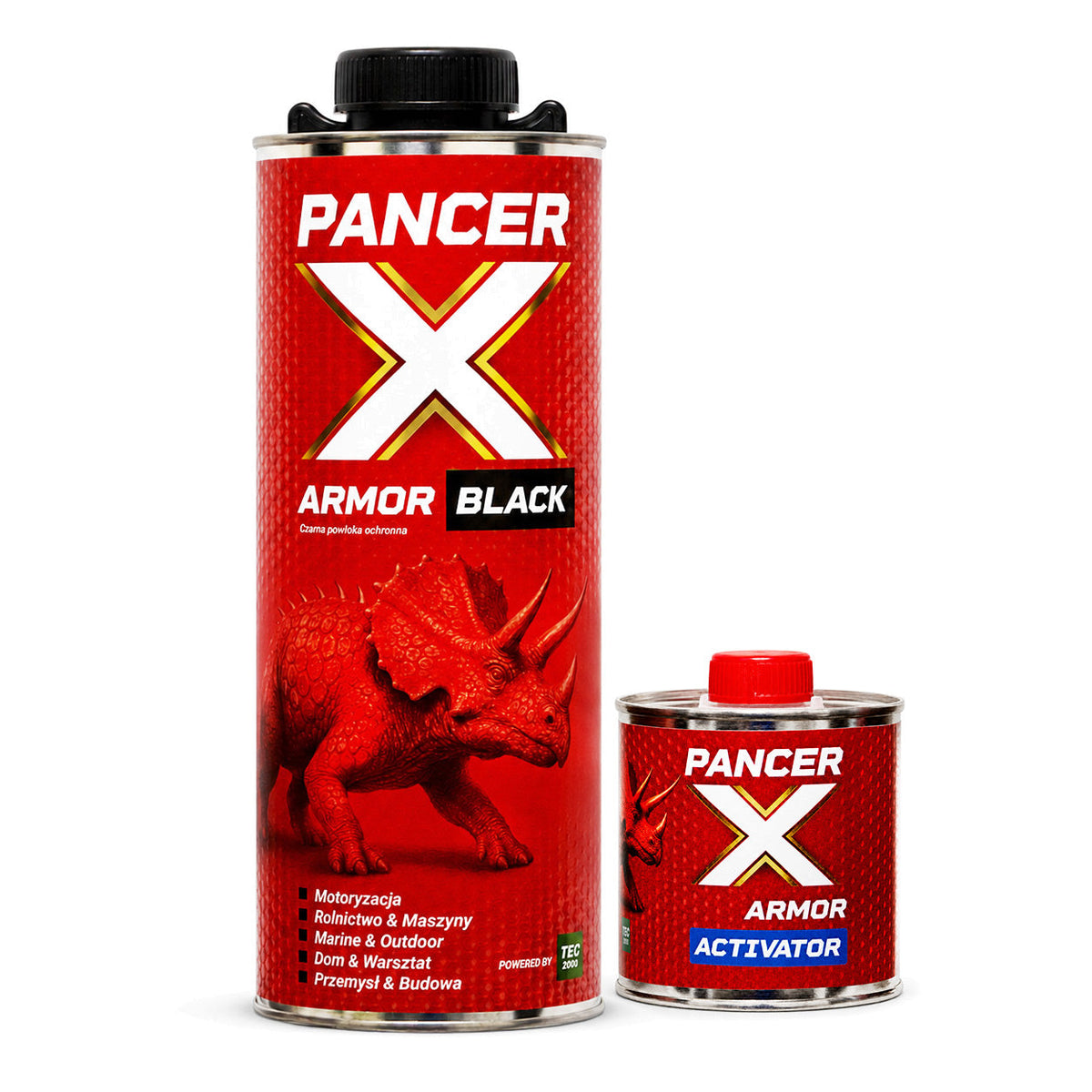
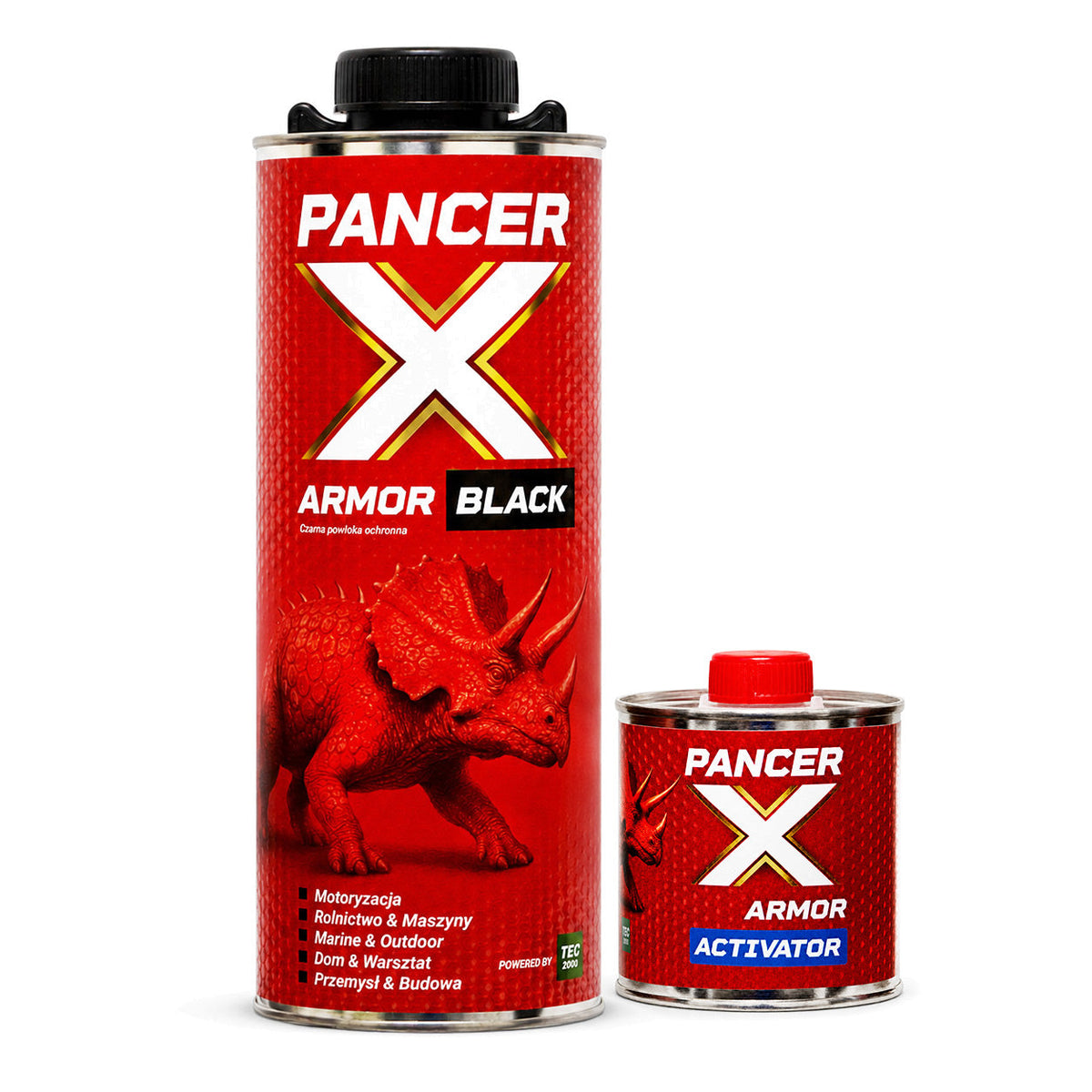
| 2K coating from a can | PLN 139 for the ARMOR BLACK kit, PLN 159 for ARMOR COLOR | 600 ml of base plus 200 ml of activator, your own labour |
Between spray-on rubber at PLN 1,500-2,500 and a wrap starting at four thousand upwards, the Polish internet offers no third shelf. The choice ends at cheap and it will peel, or expensive and done by a professional. The four cars in this article sit exactly in that gap.
The question missing from every wrap shop price list
Argument number one for wrapping always sounds the same: you can peel the wrap off and the factory paint underneath stays untouched. Except that removal is not priced in any list we managed to find, even though it is what closes the whole bill. After a few seasons in the sun a wrap comes off differently than a fresh one, and the adhesive has to be cleaned off every edge.
Those price lists also do not separate colour wrap from PPF, although both are called film. In the car wash risk table published by elitestudio.com.pl, colour wrap scores worse than PPF. Anyone comparing the price of a matte wrap with the durability of PPF is comparing two different products.

Booth paint and a lifetime ban on polishing
For PLN 10,000-20,000 you get the most even finish of the three and the biggest servicing problem.
Matte is a surface microstructure. Microscopic irregularities scatter light instead of reflecting it, and every bit of friction, every bit of heat, smooths those irregularities out. A polisher, a compound, one firmer pass with a microfibre cloth in a single spot, and that spot starts to reflect. What you get is permanent gloss or patchy shine that cannot be undone, because there is nothing to rebuild the microstructure with on factory paint. Wrap cost calculators do not mention this. A matte car comes with a ban on paint correction. On a glossy car a scratch from the wash is an hour with a polisher. On matte, that same hour ruins the panel.
What you do about a scratch on the bonnet
This is where the three routes separate most sharply.
- Matte booth paint: respray the whole panel. There is no middle path, because a spot repair leaves a different degree of matte.
- Wrap: replace the film on the whole panel. A patch will never blend in, because film has a cut line and a different amount of fading than the rest of the car.
- 2K coating: you add material where the damage is. Cured ARMOR can be scuffed and coated again, and the texture hides the transition far better than a smooth surface does.
That third route comes with one condition: do not dry sand the cured coating without respiratory protection. ARMOR COLOR contains titanium dioxide below 4 percent, and inhalable dust is a different hazard than fumes from an open can. The safety data sheet requires a type A organic vapour filter to EN 14387 when spraying the base, and an A2-P2 filter with the activator, because the aerosol contains isocyanates. A mask, not a cloth over your face.
At the car wash the damage comes from somewhere else
A brush wash is a high risk and it applies equally to colour wrap, PPF and ceramic coatings. The touchless wash is more interesting, since it has a reputation for being safe for everything: for colour wrap the risk is medium, which is higher than for PPF. The issue is the chemistry, not the brushes.
A pH neutral shampoo with no waxes or gloss enhancers, the two bucket method, drying without wiping. Shiny patches will appear anyway, just more slowly, and first on the door handles and the edge of the boot lid, where a hand touches the car every day. You only see it after a year, so it never shows up in the collection day photos.
The soap matters more than the brushes, or their absence. A typical touchless wash runs in two stages, a mildly acidic prewash followed by an alkaline no-touch soap, often built around sodium hydroxide, that lifts road film by breaking it down chemically rather than scrubbing it off. That is why pH neutral shampoo made specifically for matte finishes exists as its own product line. It skips the sodium hydroxide base that does the actual work in a standard no-touch soap, and relies on surfactants instead of high pH to lift the same road film. Many automated touchless bays also offer a hot wax or sealant spray as the last step, sold as an upgrade before you pay. Skip it. That spray is built to leave gloss behind, which is the one thing a matte finish is not supposed to have. Fuel and oil raise a different flag. Vinyl wrap manufacturers warn owners to wipe fuel off a matte or satin wrap straight away, because a drip left sitting can damage the finish and discolor the surface underneath it. ARMOR carries no such warning for those two substances specifically. Petrol and oils sit on the resistance list in ARMOR's chemical resistance data, alongside water and salt, the same list a wrap simply doesn't have.

Textured semi-matte from a can
ARMOR does not give the smooth matte of booth paint. It gives a textured semi-matte, and you set the grain size yourself through the nozzle, the pressure and the thinning. Coarse texture means a 4.0 mm nozzle with no thinner, a dry film of 200-250 micrometres and coverage of 2-2.5 square metres per litre of mixed product. Medium is a 2.5 mm nozzle, 0-5 percent thinner, 100-120 micrometres and 4.5 square metres per litre. Fine is a 1.4-1.8 mm nozzle, 25-30 percent thinner, 60-70 micrometres and 6 square metres per litre. On body panels people usually go down to the fine texture and leave something coarser on sills and wheel arches.
Base and activator go together at 3:1. With ARMOR COLOR the pigment goes into the base first, 10-15 percent, and only then the activator, and more than 15 percent may reduce the durability of the coating. Two or three thin coats, with 30-60 minutes between them. Dry to the touch after one or two hours, full resistance after 5-7 days, and those 5-7 days matter more than they seem, because the car looks finished long before that. Mixed product lives around an hour at 20 degrees C, so you mix in batches rather than the whole kit at once. Substrate and ambient temperature from 10 to 30 degrees C, humidity below 80 percent. The word substrate matters here: in an unheated garage the metal is often colder than the air, so you check the lower limit on the panel, not on the thermometer hanging on the wall.
With light colours there is one thing people forget: under yellow, red, orange and green the primer has to be white or light grey, because the substrate colour shows through a thinner film. The sanding stage has its own grades too: steel panels P120-P180, old coatings P180-P240, primer P240-P320.

Four cars
The Golf II is the most obvious case: matte black on an old car where the factory paint was due for replacement anyway, so there was nothing to protect. The Mercedes ML in graphite is a different situation, a big car and a big surface, but its off-road character forgives texture more than a saloon would. The Audi A6 in mint shows something neither a wrap shop working from a stock roll nor a body shop working from a paint chart will offer cheaply: a colour mixed on the spot. The Passat in military green went the opposite way, because a green of that type sits in the eleven colour ARMOR COLOR chart and the owner did not have to match the shade by eye.

Each of these four cars can be fixed in the same garage where it was finished. Nobody is stuck choosing between replacing a panel and living with a scratch, because the third option costs about as much as the rest of the kit.
What ARMOR will not do
You will not get a booth paint finish here. The surface is textured, so the grain is visible up close. You will not get the depth or the evenness of paint sprayed in a booth with forced air circulation, and you will not hide dents or waves in the metal, because the texture emphasises them. The coating must also never be applied to an engine, to an exhaust system or to single component products.
We will also not give you numbers we have not had tested: durability in years, the temperature resistance of the cured coating, or hardness on any scale. The technical data sheets do not state them. The temperatures that look promising in the safety data sheet refer to the liquid in the can, not to the cured coating, so they are no basis for any promise.
What we can point to is what happens to the other two finishes over that same stretch of years. Vicrez, a wrap industry blog, notes that matte films absorb more UV energy than gloss ones instead of reflecting it away, and describes the long-term result as premature dulling and chalking as the top layer breaks down. Satin films hold up better under sun than matte, though still worse than gloss. Booth paint ages along a different path but lands somewhere similar. Constant friction from everyday wear, not sunlight, leaves lighter, glossier patches scattered across the panel, too small and irregular in shape to blend back into one even tone. At that point the only fix left for booth paint is the one already on the list above: a full respray of the panel, and the price is comparable to our general respray cost comparison.
Two phone calls before you buy the material
Changing the colour of a car body is a paperwork matter, separate from the job itself. In Poland you have to report it, so call your local vehicle registration office and ask what applies in your case, then put the same question to your insurer. In other countries the rules differ, so ask the authority that registers your car. Do it before you buy the material, not after. We will not guess the answers for you, because this is not our field, and it is the owner who pays for a mistake.
Full application parameters are on the technical data page, and both versions of the coating are in the ARMOR collection: BLACK ready to use and COLOR for tinting with your own pigment.